House Clearance in Kingston upon Thames

Our house clearance service in Kingston upon Thames is arranged for homes that need belongings removed carefully, sorted sensibly and taken away in a practical way. We handle full and partial clearances for houses, flats and inherited properties, with a focus on leaving rooms ready for their next use. If you need a straightforward service for furniture, general household items or mixed contents, we can help you plan the work around the property and the items that remain.
The service is suitable when a property has become crowded, when rooms are being emptied before a move, or when a clearance is needed after a change in family circumstances. We can deal with individual bulky items as well as larger collections of household contents, and we aim to make the process clear from the start. House clearance is often easier when the scope is defined room by room, so our approach is to identify what should stay, what should go and which items may need special attention before removal begins.
For a quotation, it helps to share the type of property, the approximate amount of contents and whether access includes stairs, narrow halls or other constraints. You do not need to prepare every item in advance, but a simple description of the rooms or main possessions can make the arrangement smoother. Clear instructions about anything fragile, heavy or to be retained allow the clearance to be organised with fewer delays, and they help the right team and equipment be assigned from the outset.
House contents cleared with care and practical sorting
We clear domestic contents with attention to the different kinds of items often found in a lived-in property. That can include sofas, tables, wardrobes, beds, cabinets, boxes, ornaments, books and general household clutter. Where items are reusable, we separate them from material that needs a different route, and we keep the process orderly so the property is not left in disarray. This is useful when some rooms need to be emptied entirely while others only need selected pieces removed.
In many homes, the hardest part is not lifting the items but deciding what should happen to them. A structured clearance can reduce that uncertainty by dealing with one area at a time and keeping the remaining belongings undisturbed. If there are items with sentimental value, we can work around them, and if there are pieces that are too large to remove intact, they can be assessed before removal. Our pricing and quotes page gives a useful overview of how enquiries are handled.
Where practical, we also plan around items that may need separate handling because of their condition, weight or size. That can include very heavy wardrobes, damaged furniture, old mattresses, boxes of mixed contents or objects that have been stored for some time. The aim is not simply to take everything away at speed, but to make sure the removal matches the property and the contents. If you are ready to talk through the rooms involved, please send the details for a quotation.
Full and partial clearances for different home sizes

Some properties need a full clearance, while others only need one floor, one room or a specific group of items removed. We offer both approaches so the work can be matched to what the home actually needs. A full clearance suits properties that are being emptied completely, while a partial clearance may be better when only surplus items, old furniture or cluttered storage spaces need attention. The service can therefore be tailored without making the process more complicated than necessary.
To keep the work manageable, it often helps to separate the clear-out into categories before the day of removal. Typical categories might include furniture, textiles, books, kitchenware, broken items and loose household contents. An organised approach avoids confusion when several types of possession are involved, especially if the rooms are being cleared for refurbishment, sale or handover. For further detail on how our domestic work is structured, see the home clearance service.
Useful information for a quotation usually includes whether the property is occupied, whether the contents are spread across several floors and whether there are items stored in lofts, garages or sheds. You can also mention any pieces that must remain in place. This helps the clearance be planned accurately, particularly where access is limited or the contents are spread through the whole property. If you are comparing options, accurate room descriptions are often enough to start the process.
Furniture, fixtures and bulky household items
House clearance frequently involves larger items that cannot be moved easily without thought. Beds, wardrobes, cabinets, sofas, dining sets and similar pieces may need careful dismantling or two-person handling. We can remove these items as part of a broader clearance or on their own where only certain furnishings need to go. This is useful in homes where the main challenge is reducing bulk before cleaning, redecoration or resale.
Some pieces are still serviceable, while others are worn out, stained or damaged beyond practical use. The condition of the item affects how it should be treated, so it is sensible to mention anything broken or unusually heavy when you enquire. If a room contains a mixture of furniture and loose belongings, we can manage both in the same visit rather than treating them as separate jobs. You may also find our furniture clearance page helpful if the main task is limited to larger items.
Clearance work can also involve awkward pieces in upper floors, narrow staircases or rooms with limited turning space. In those situations, we assess access before removal so that the work is not rushed or forced. The goal is to take away what has been agreed while keeping the property and the retained contents in good order. For a quotation, it is enough to note the rooms, the furniture types and any access details you already know.
House clearance for lofts, garages and storage areas

Many household clearances are not limited to the main living rooms. Lofts, garages, cupboards and under-stair spaces often contain the items that take the longest to sort, especially where boxes have been stored for years. We can include these areas in a domestic clearance so they are handled alongside the rest of the property. That makes it easier to finish the job in one planned visit instead of dealing with each storage area separately.
Storage spaces often contain a mix of useful belongings, old paperwork, seasonal equipment and items that have simply remained untouched. A careful approach allows the removal to focus on what is no longer needed while leaving any retained possessions in place. If a loft contains awkward or fragile items, it is worth mentioning that before the work is arranged. See the loft clearance service if that part of the property is the main concern.
Garages can present different issues, such as mixed household items, tools, boxes, broken furniture and old domestic equipment. When these spaces form part of a wider clearance, we can clear them in the same visit so that the property is more complete by the end of the job. For a garage-focused requirement, the garage clearance page explains the relevant service. A short list of what is stored there is usually enough to begin a quotation.
Preparation, access and practical quotation details
When you request a quotation, the most useful information is usually the type of property, the amount of contents and any access issues that may affect removal. Stairs, narrow landings, limited parking and shared entrances can all be relevant, especially where large furniture is involved. You do not need a full inventory unless you want to provide one. A few photographs or a room-by-room summary can be enough to understand the scale of the clearance.
If certain items are to remain in the property, it helps to identify them clearly and separate them where possible. That avoids confusion on the day and reduces the chance of anything being moved by mistake. In homes where the clearance is part of a larger plan, such as a sale, tenancy end or renovation, it is also helpful to mention the intended timetable. This page for house clearance sits alongside related domestic services if you need to compare options.
Before the work begins, we may need to know whether the property is occupied, whether any rooms are locked or unusable and whether there are items that require special handling. These details do not need to be complicated, but they make the quotation more accurate and the clearance more orderly. Send the basic information first, and more detail can be added if it becomes useful during planning.
What happens to items after a domestic clearance
A responsible house clearance does more than empty rooms. Items removed from a property may need to be separated into different streams depending on their condition, type and possible reuse. That can include furniture, mixed household goods and items that need to be directed to an appropriate disposal route. The aim is to keep the process sensible rather than treating every object in the same way.
Where a property contains a mixture of usable and unusable items, sorting during the clearance can make the overall process more efficient. Reusable belongings can be separated from worn-out or damaged pieces, and the result is a tidier handover once the clearance is complete. If your main concern is the onward handling of waste rather than the full domestic clear-out, our waste removal page describes a broader service option.
Household clearances sometimes include items that are delicate, outdated or cumbersome rather than genuinely waste. The right approach depends on the contents, not on a single rule for every property. That is why the service is best discussed with the rooms and contents in mind, so the plan can reflect the actual job rather than a generic description. For enquiries, simply outline what needs to be removed and what should stay.
About Kingston upon Thames
Kingston upon Thames is a historic settlement on the River Thames in southwest London, long associated with river crossing, market activity and civic importance. The town is known for its medieval coronation links, with seven Anglo-Saxon kings traditionally said to have been crowned there, a history reflected in local heritage references and public memory. Its centre combines older streets, riverside walking routes and a busy shopping core, while the surrounding borough includes residential neighbourhoods, open spaces and stretches of suburban development. Kingston’s river frontage is one of its most recognisable features, with the Thames Path and nearby bridges shaping movement through the area. The town centre includes Kingston Market Place, the Guildhall and a range of buildings that reflect centuries of change, from historic remnants to modern retail and university facilities. The Royal Borough of Kingston upon Thames also includes places such as Surbiton, New Malden and Chessington, though Kingston itself remains the central name and urban focus. Parks and green spaces are part of the local landscape too, including Canbury Gardens near the river and Richmond Park not far beyond the borough boundary. The area’s character is shaped by its mix of commerce, housing, transport links and heritage, giving it a distinctive role within outer London while retaining a recognisable town centre identity.
Clearance work for inherited properties and end-of-tenancy situations
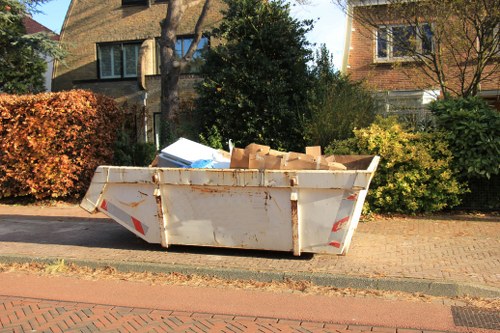
Some house clearances come after a bereavement, while others are needed because a tenancy is ending or a property must be prepared for another stage of use. In either case, the practical task is the same: remove the agreed contents in an orderly way and leave the property ready for what happens next. We can work with partial or full clearances depending on whether the home is occupied, empty or in transition.
These situations often involve a variety of household goods, paperwork, furniture and miscellaneous stored items. It helps to decide early which belongings are to remain, which are to be removed and whether anything requires special handling. Where several family members or stakeholders are involved, a simple written summary can prevent confusion later. If the wider property also needs a separate domestic service, you may wish to look at flat clearance for smaller homes or apartments.
Some properties contain years of accumulated possessions rather than a few large items, and that can make the work feel more extensive than it first appears. A structured clearance can manage the task without turning it into a prolonged sorting exercise for the customer. If you want to begin, keep the first message brief: property type, rough contents and any deadlines that matter. That is enough to request a quotation without over-preparing.
Domestic rooms, kitchens and everyday household contents
Not every clearance is about furniture alone. Kitchens, utility rooms, bedrooms and living rooms often contain the smaller contents that take time to gather, from cookware and storage items to ornaments, linens and general clutter. We can include these everyday household items as part of a complete clearance so the property is dealt with more thoroughly. That is especially useful when you want the rooms left clear rather than just partly emptied.
Mixed contents need sensible sorting because some things are reusable, some are worn out and some may simply have been stored in bulk. A tidy clearance takes account of all three. Where there are delicate items, old electricals or boxed belongings, it can help to mention them in advance so the approach is suitable. For customers who need a specialised domestic service focused on contents in the main living areas, the furniture disposal page may also be relevant.
Clearances often become easier when the customer has already identified a few key priorities, such as which room matters most, which items should be left untouched and whether access is straightforward. That does not require a complicated checklist. A concise note is usually enough to start the process and allow a more precise quotation to be prepared.
Booking a quotation and choosing the right clearance scope

If you are arranging a house clearance in Kingston upon Thames, the most useful next step is to decide whether you need a complete emptying of the property or a more focused removal from selected rooms. Once that is clear, a quotation can be based on the contents, access and any special handling needs. The service is designed to be flexible enough for different types of home without becoming over-complicated.
For the best result, give a simple account of what needs clearing and mention anything that might affect removal, such as stairs, loft access or items that are too large for one person to carry. If there are rooms that should be left alone, say so at the same time. You can also review our about us page if you want more background on the business before making an enquiry. Now is a good time to request your quotation and set out the scope in plain terms.
When you are ready, contact us with the property type and the main contents to be removed, and we will help shape the clearance around the job in hand. Whether the work is for a house, flat, loft, garage or a mixed domestic property, the aim is to provide a practical removal service that fits the space and the belongings involved. A clear enquiry is the easiest way to move forward.